Station 10: Washington State History
THE EVERGREEN STATE
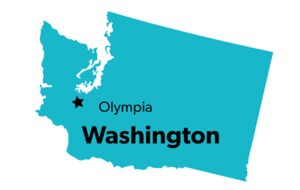
We live in a wonderful State! How much do you know about Washington?
Did you know that “The Evergreen State” is not an official motto for Washington? It was penned by C.T. Conover,
a Seattle Pioneer. On November 11, 1889, Washington became the 42nd state to enter the Union.
It is the only state in the Union that is named for a president.
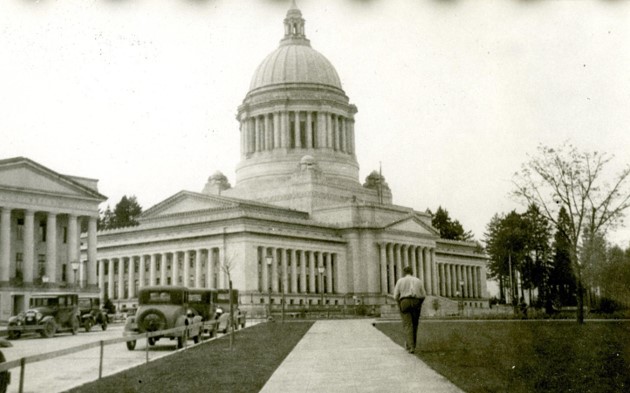
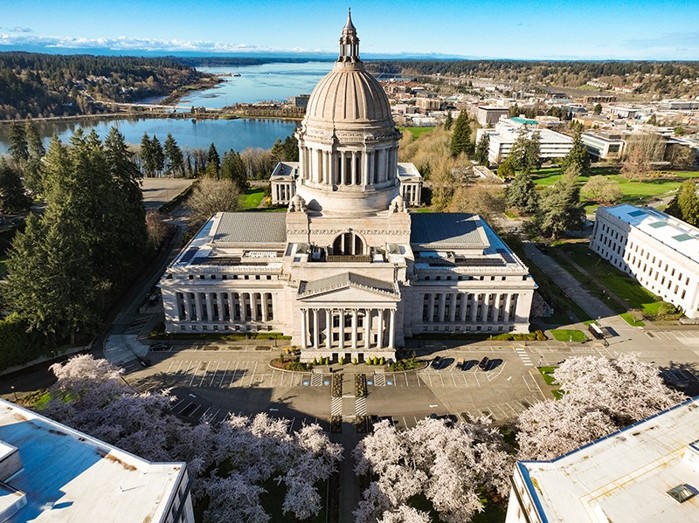
And did you know our State Capitol Building is designed to look similar to the Acropolis in Athens, Greece?
It also looks close in design to the U.S. Capitol in Washington, D.C. It was first occupied by the Legislature in March 1927.
Here are some official State Symbols:
State Flower – Coast Rhododendron
State Fruit – Apple
State Grass – Bluebunch Wheatgrass
State Tree – Western Hemlock
State Vegetable – Walla Walla Sweet Onion
State Amphibian – Pacific Chorus Frog
State Bird – Willow Goldfinch
State Insect – Green Darner Dragonfly
State Fish – Steelhead Trout
State Endemic Mammal – Olympic Marmot
State Marine Mammal – Orca Whale
State Dance – Square Dance
State Folk Song – “Roll On, Columbia, Roll On“
State Song – “Washington, My Home”
State Gem – Petrified Wood
State Sport – Pickleball
Want more information? You can visit the Washington History Museum in Tacoma. The Washington State History Museum
offers free admission the third Thursday of each month from 3 to 8 pm.
Double check on-line or call 1-888-238-4373 before you head up. Check out their schedule HERE.
They also have Family Saturdays where families can participate in themed self-guided activities.
You can ride the bus to visit the Washington State History Museum. Plan your trip HERE.
You can also find original records, autographs, maps, and photos online from various sources such as the State Archives HERE.
ACTIVITIES
Coloring Pages:
Do you like to color? Download the Washington State coloring book HERE for some rainy-day fun!
You can print these pages for free at your local Timberland Library using your library card.
Dragonfly Art:
The Washington State Insect is the Green Darner Dragonfly. It is also known as the “mosquito hawk.”
Children from over 100 school districts participated in the selection of this State Insect in 1997.
Dragonflies are older than dinosaurs and can fly 25 to 35 miles per hour. They are a beneficial contributor to the
Washington ecosystem because they consume a large number of insect pests.
You can create a dragonfly with items from nature and a little bit of arts and crafts supplies. Find instructions HERE.
You can also make a Clothespin Magnet Dragonfly that can be very handy around the house!
History Lesson:
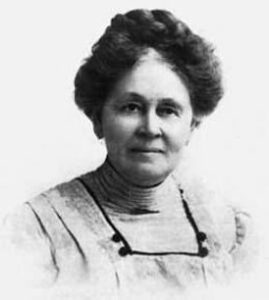
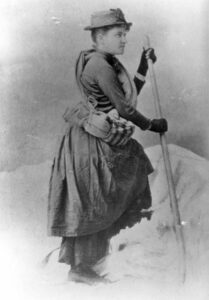
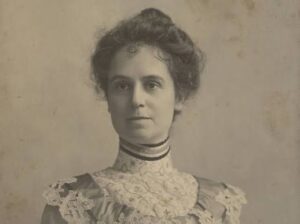
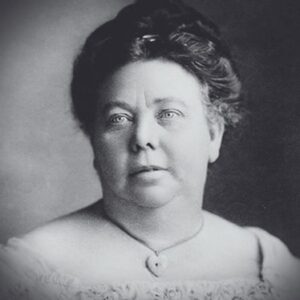
Learn about several of the most prominent SUFFRAGE leaders from our home state! Suffrage means the right to vote,
and these Washington women were working for their fair right to vote.
Click the links below to learn more about these brave and outspoken women!
Emma Smith Devoe
BOOKS TO READ TOGETHER
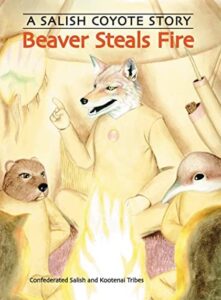
“Beaver Steals Fire: A Salish Coyote Story” by the Confederated Salish and Kootenai Tribes
A long time ago, fire belonged only to the animals in the land above, not to those on the earth below.
Curlew, keeper of the sky world, guarded fire and kept it from the earth. Coyote, however, devised a clever plan to steal
fire, aided by Grizzly Bear, Wren, Snake, Frog, Eagle, and Beaver. These brave and resourceful animal beings raided the
land above and risked all to steal fire from Curlew.
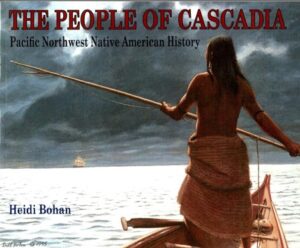
“The People of Cascadia: Pacific Northwest Native American History” by Heidi Bohan
The People of Cascadia is a highly visual and comprehensive historical glimpse into the daily lifeways of four major cultural
language groups of the Pacific Northwest: the Coast Salish, Wakashan, Chinookan and Sahaptin which encompass hundreds
of bands and tribes. Cascadia refers to a geographic region which includes the Pacific Northwest and the Columbia Plateau
encompassing portions of California, Oregon, Washington, Idaho, British Columbia and Alaska. This book complements the
‘Since Time Immemorial’ Washington State curriculum and is recommended as a core book for school districts
implementing STI curricula.